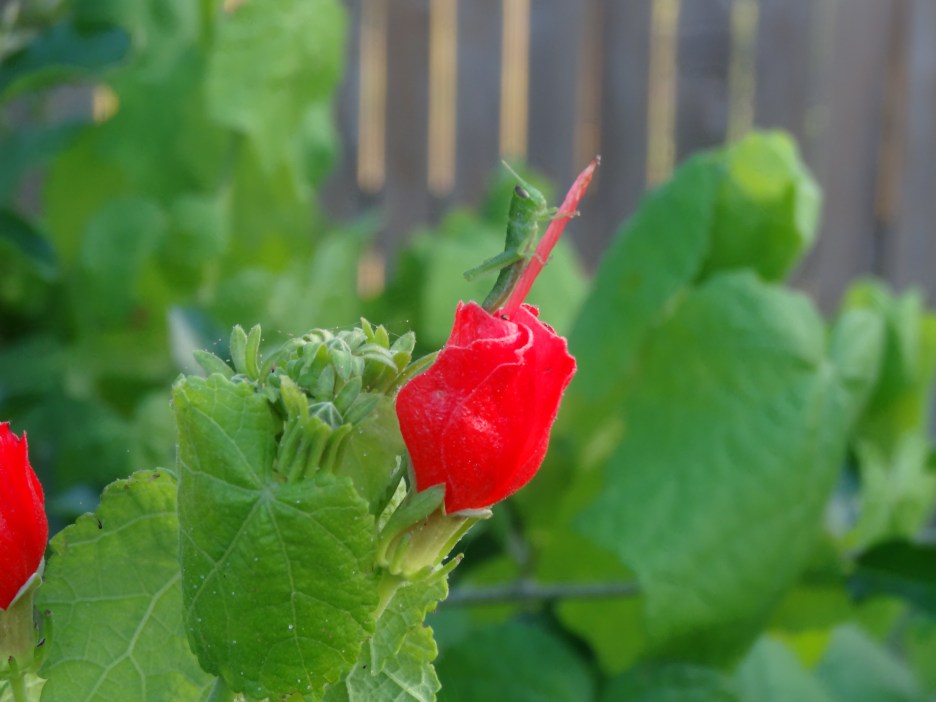
Turks Cap with Visitor

DSC01615
Photo by Carolynn Waites

Turks Cap (Malvaviscus drummondioi) is one of my very favorite plants because it is so easy to grow. It is a native shrub that attracts birds, butterflies, and hummingbirds. It blooms from May to November, adding a colorful element to my garden from spring through fall.

According to the Lady Bird Johnson Wildflower Center, this plant is named for the Scottish naturalist Thomas Drummond. He spent almost two years in Texas in the 1830’s collecting an extensive array of plant and bird specimens.

As I was taking pictures of the flowers on this plant in my backyard, a young grasshopper photobombed me. Obviously this was the picture I had to use for this post. I hope he does not grow up to eat my entire garden.

Honey Bee Enjoys Vitex Flowers

DSC01608
Photo by Carolynn Waites

This little honey bee (Apis mellifera) is visiting my newly planted Vitex tree (Vitex agnus-castus).

I have wanted to plant Vitex in my back yard for a while, so over this long Memorial Day weekend I finally planted two small trees in my back yard. These deciduous shrubs/small trees are beautiful and they attract hummingbirds, butterflies, and bees. They are also commonly known as Chaste trees.

Now I get to enjoy the beautiful lilac flowers that this tree produces through the spring and summer, with the benefit of admiring the amazing creatures the flowers attract.

Green Anole Lizard

lizard
Photo by Carolynn Waites

This is one of the many green anole lizards that live in my back yard. They are fun to watch as they sun themselves. I can usually find any number of them sunning themselves on my plants, fence, windows, and even my patio furniture. They also drive my dog crazy, playing hide-and-seek with him until we have to force him back into the house.

Here are some fun facts about these cute reptiles from the Smithsonian National Zoo:

  • They have adhesive lamellae on their foot-pads.
  • Their color, which can range from green to brown to grey, is dependent on their mood, temperature, humidity, and health.
  • Males have a pink dewlap, which they use to attract females and protect territory.
  • They eat small insects and spiders.
  • Male green anoles react to a mirror image of themselves and may act aggressively toward it.

Welcome to our Wondrous World

DSC01252
Photo by Carolynn Waites

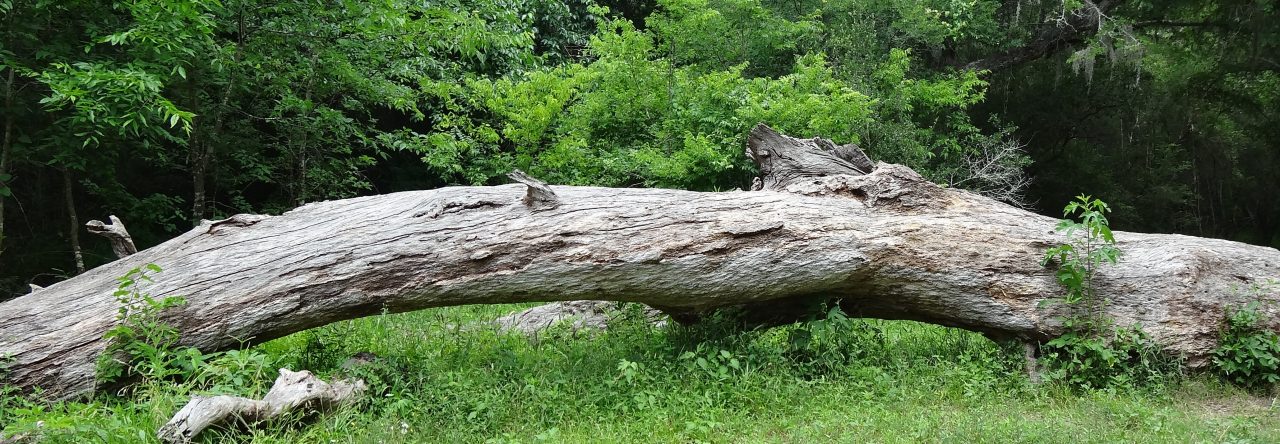
I love nature.  I see the beauty in the world around me every day. I find the lives of everything from insects to trees fascinating.

Today’s world can be an frightful place. The news brings us stories of ugliness and depravity every day. I find it essential to decompress daily and let all the bad things go.

Just sitting in my backyard reminds me that there is beauty all around us.

I am not a photographer. I take pictures, but I know nothing about shutter speeds or ambient lighting. The purpose of this blog is not to impress with my photography skills; it is to remind the reader that you do not have to be anywhere extraordinary to experience the beauty that the world provides us with every day.

I hope you enjoy the photos and articles. Maybe you will learn something; maybe you will experience a common sight with new understanding; or just maybe you will be inspired to go outside and see the world through a new lens.

Welcome!

Unless otherwise noted, all photographs on this website are Copyright Carolynn Waites.